
Locking knobs and adjustable clamping levers: understanding the differences between the main clamping systems
Choosing the right clamping system is a key aspect of designing industrial machinery, equipment, and devices. Among the most widely used solutions are clamping levers and locking knobs, two components designed to perform the same function but featuring different characteristics and operating principles.
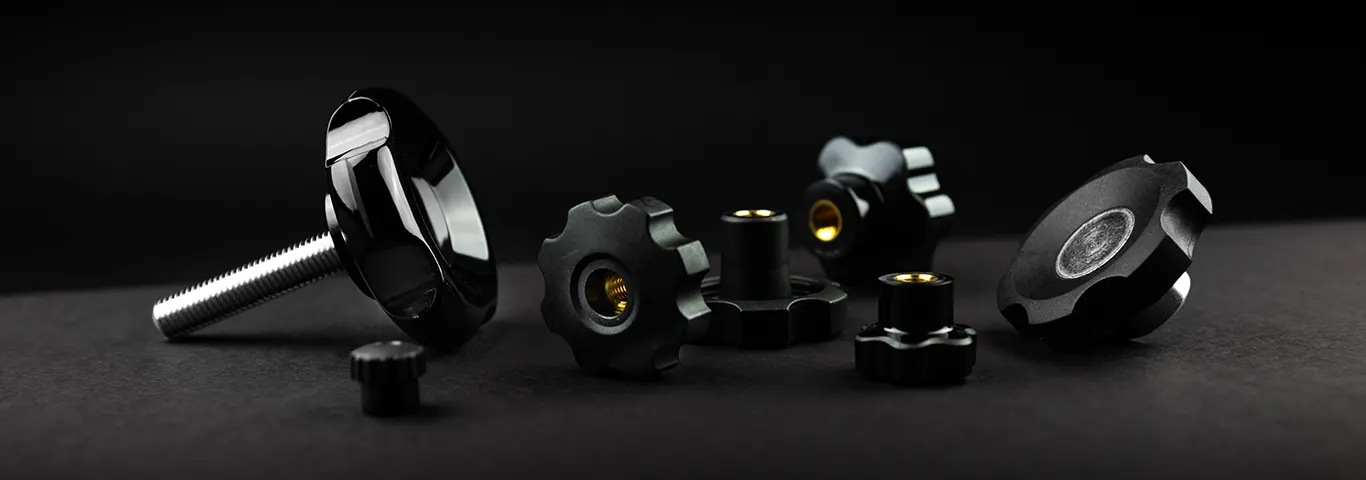
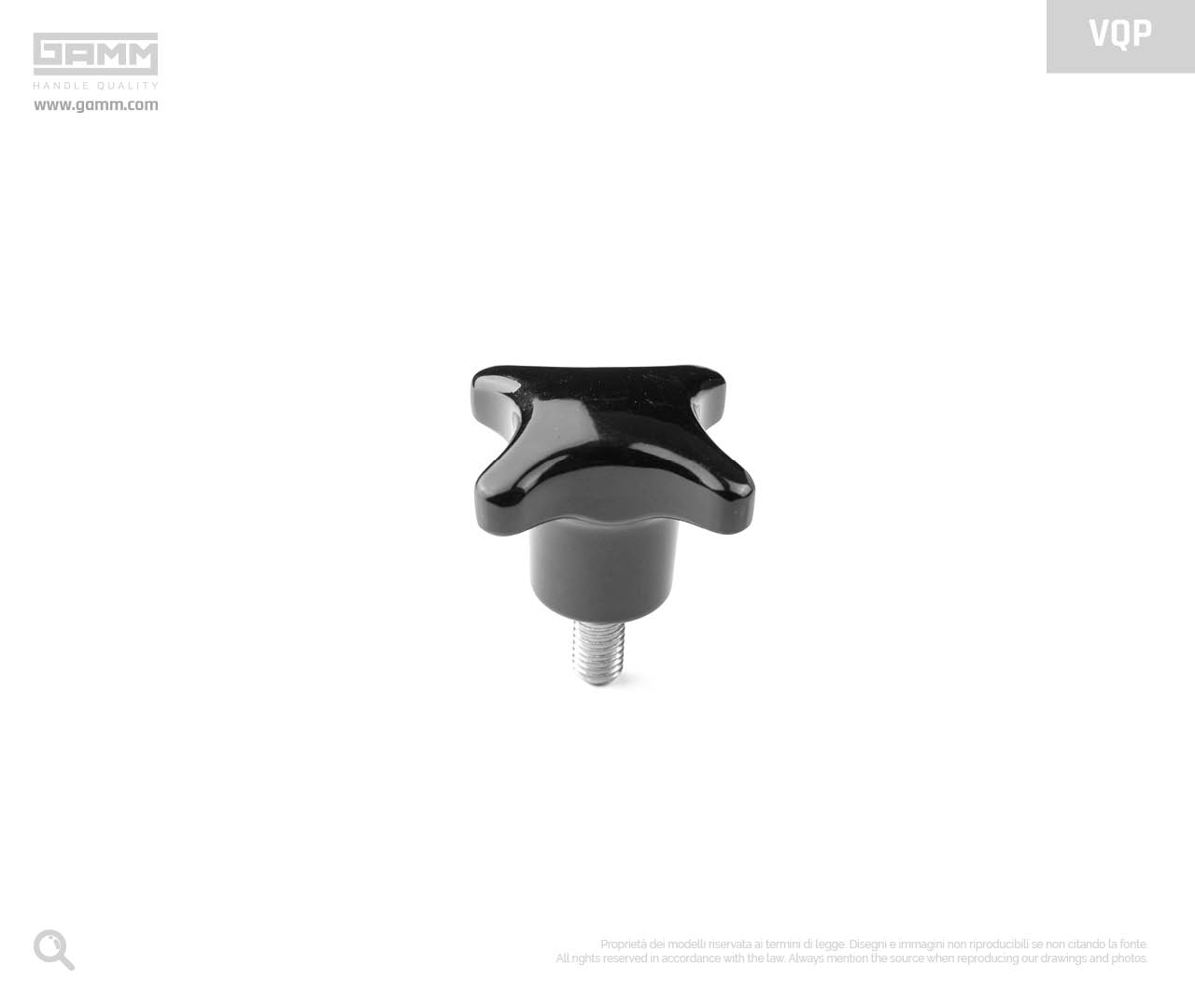
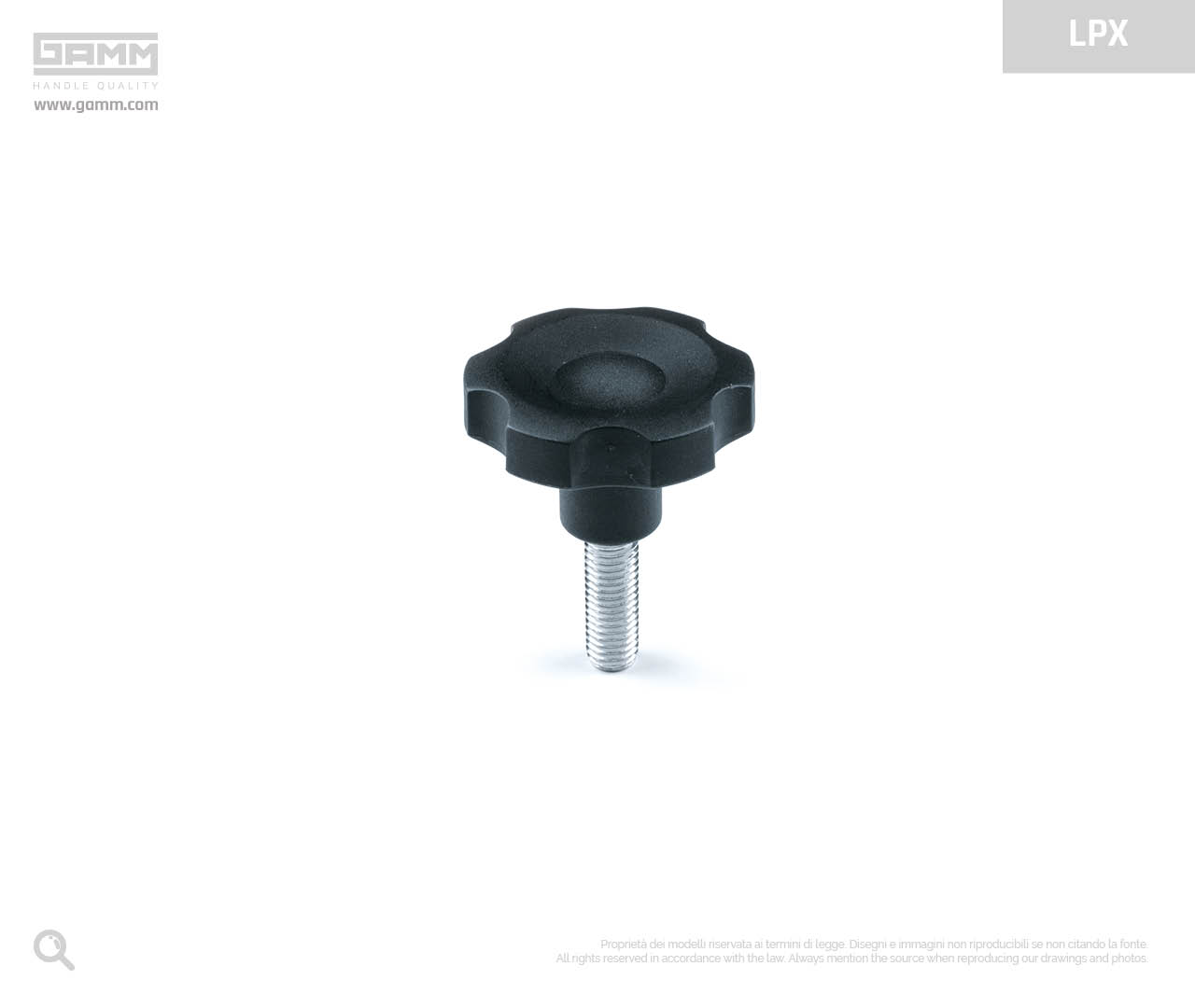
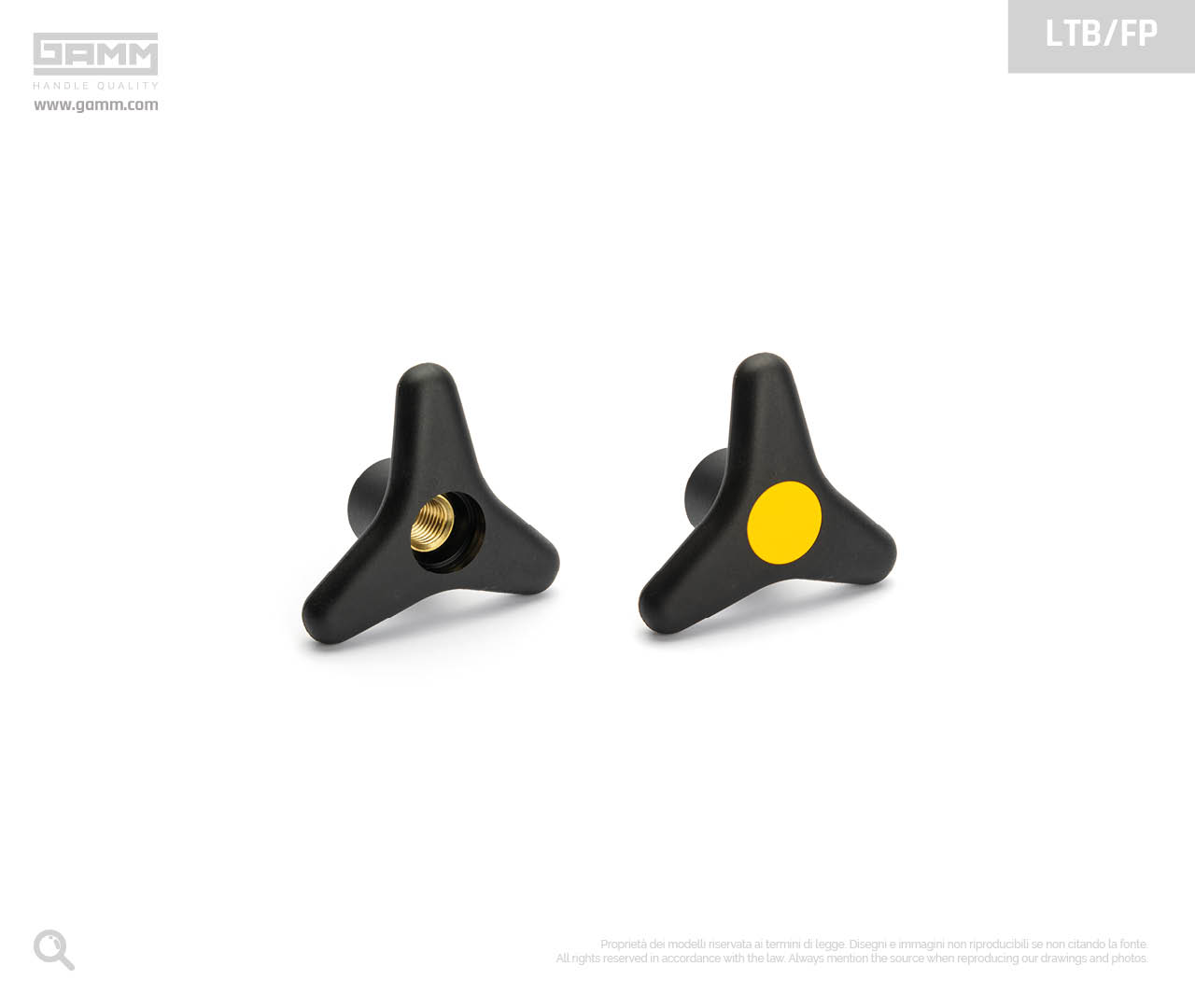
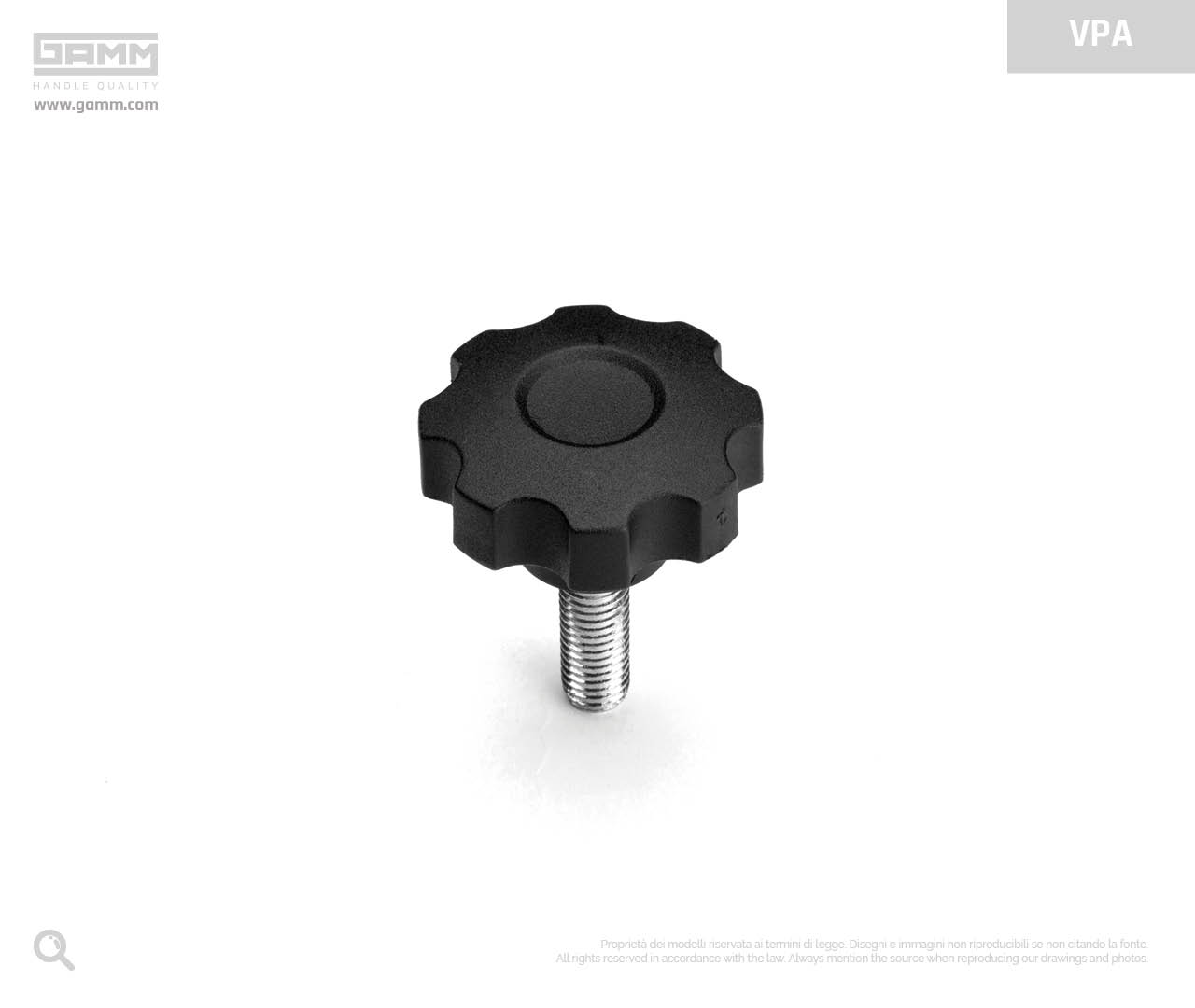
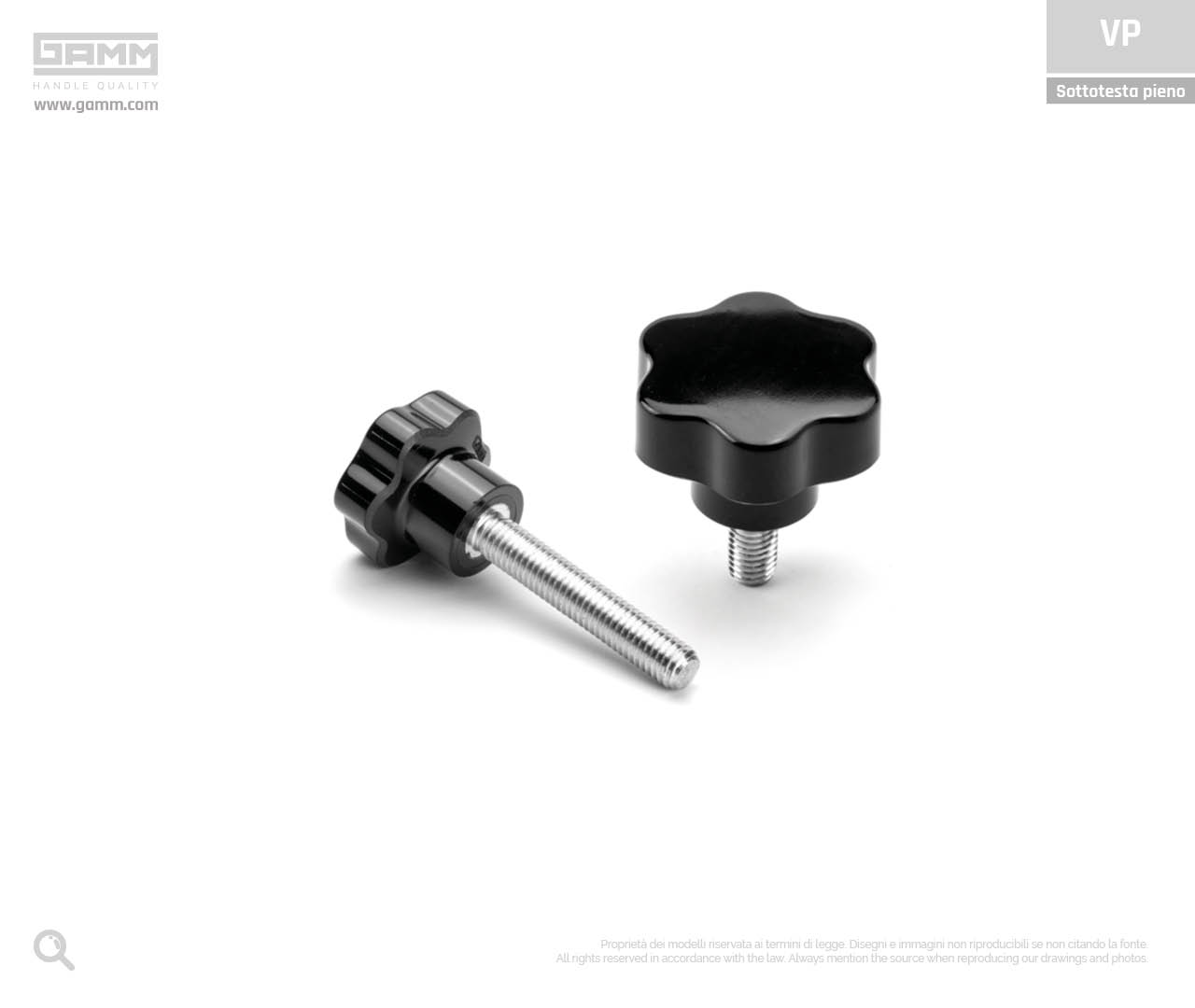
Clamping knobs are particularly suitable for applications requiring high clamping force and secure, stable locking of a component. Since they allow continuous rotation, they can generate high tightening torque and are widely used in adjustment, fastening, and positioning systems across a broad range of industrial sectors.
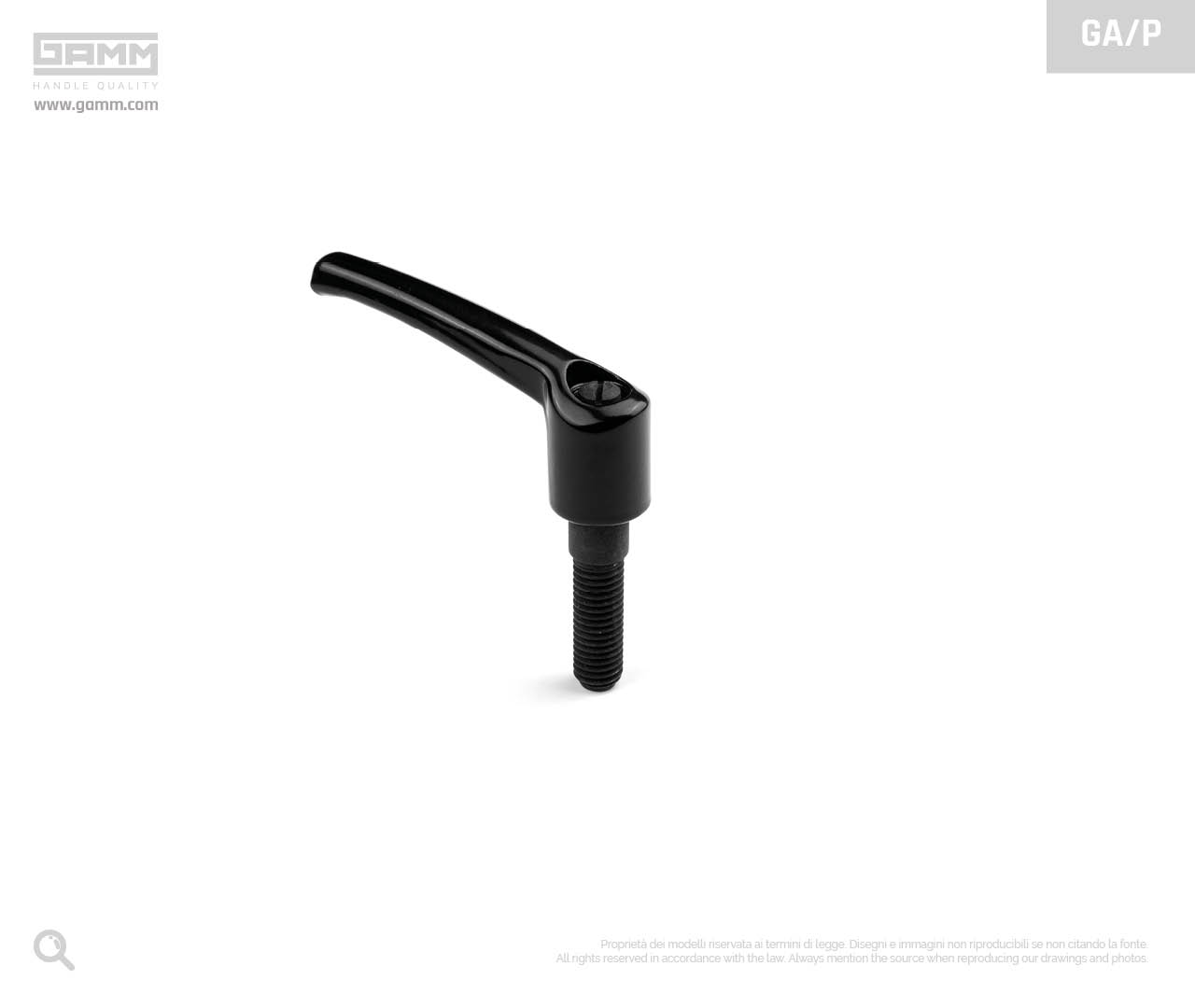
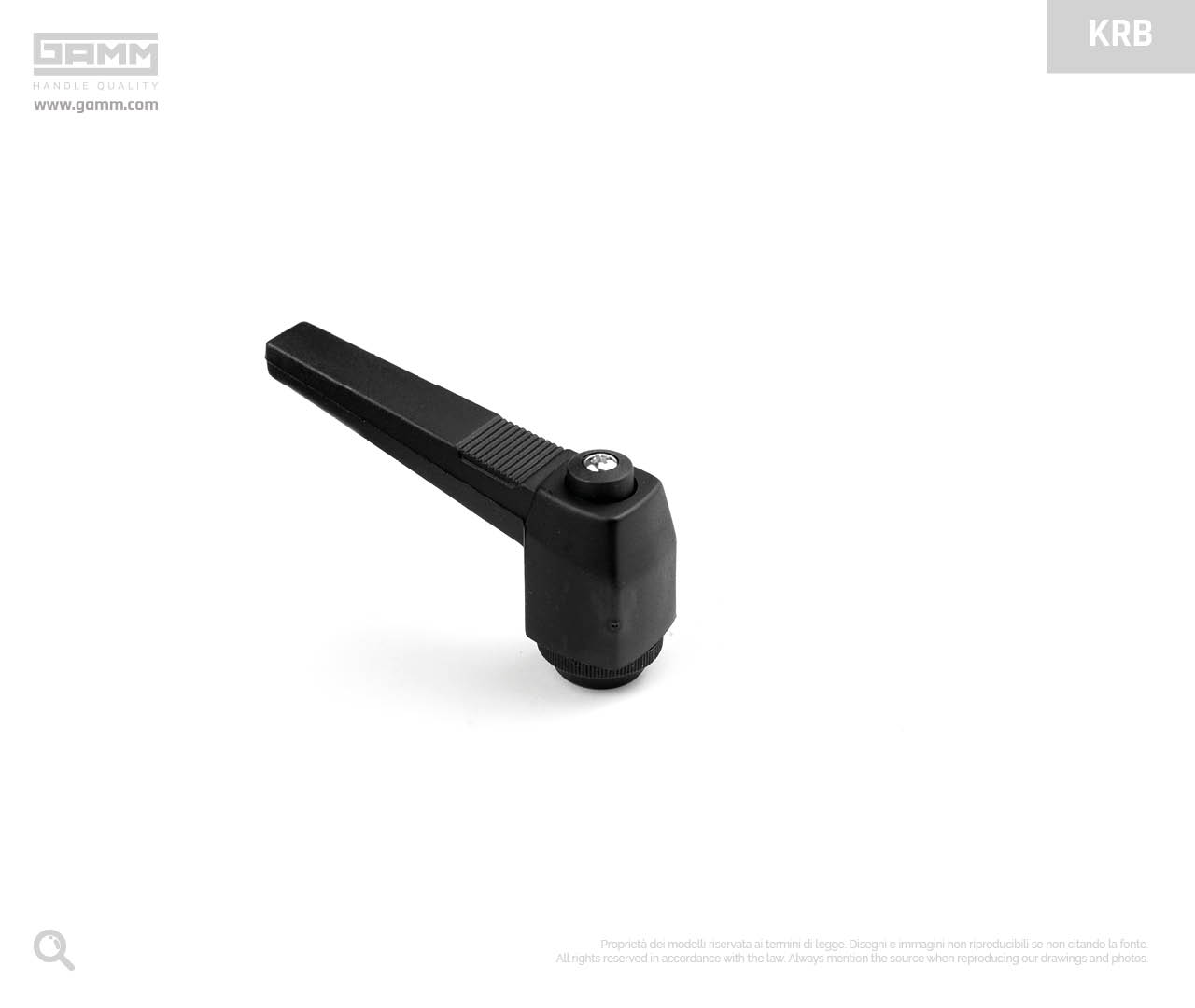
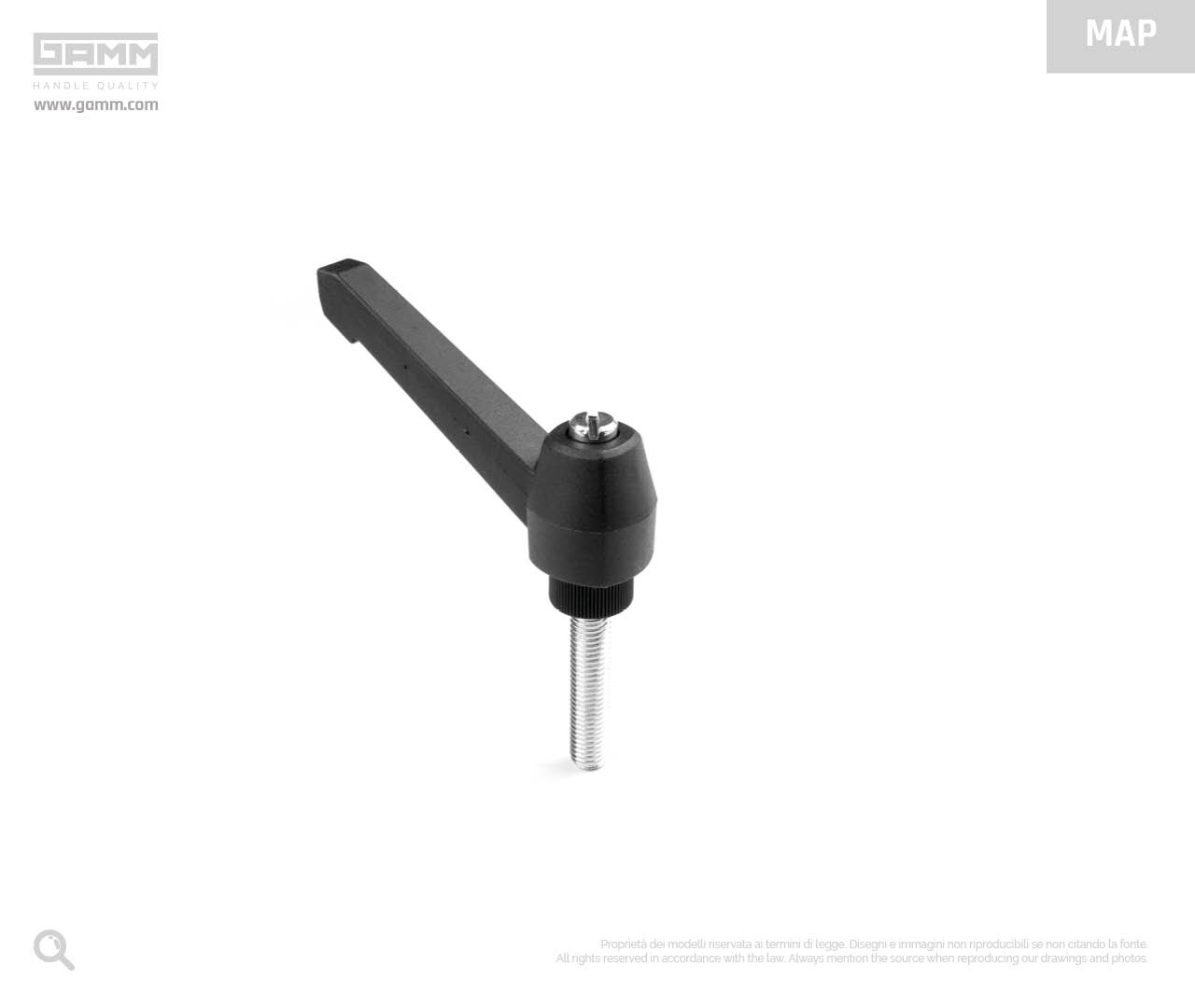
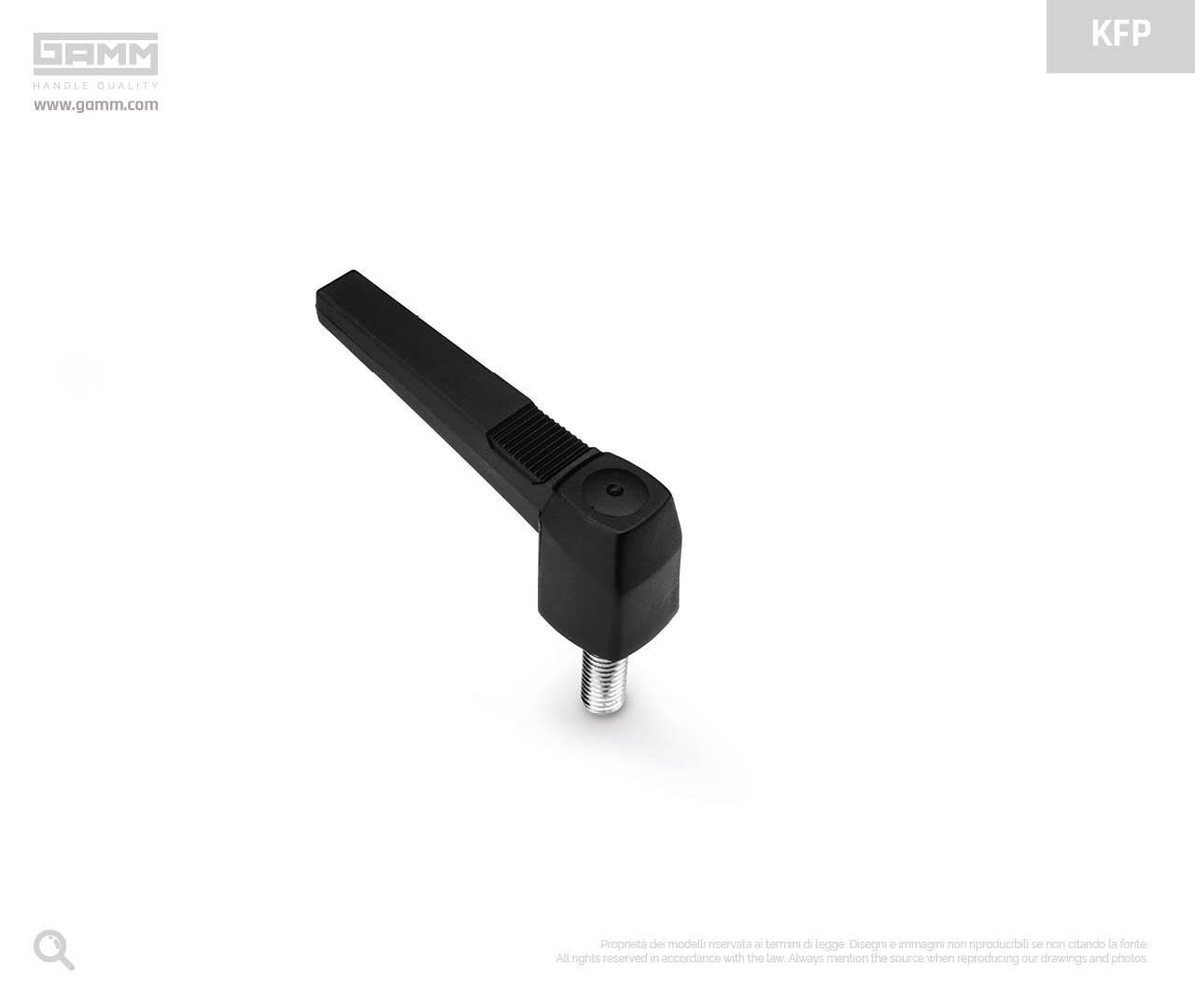
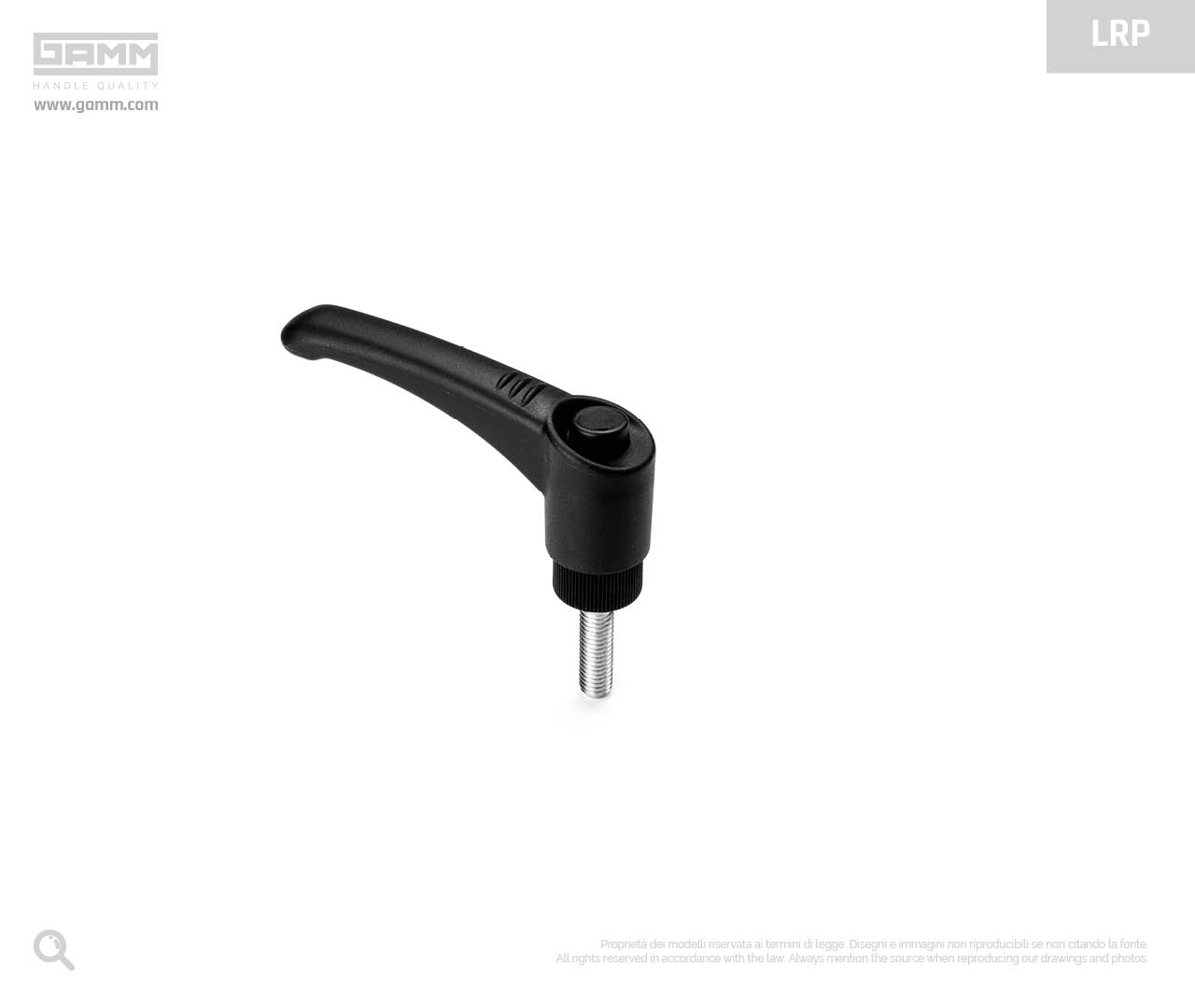
Clamping levers, commonly referred to as adjustable clamping levers, are designed for applications involving frequent adjustments or limited operating space. Their ratchet mechanism allows the lever to be repositioned without rotating the threaded stud or the clamped component, making them ideal where obstacles, space constraints, or limited rotation angles prevent a full turn.
Both clamping systems provide reliability and ease of use, but each is designed to meet different application requirements that should be considered from the earliest stages of product design.
How to choose the right clamping system for your application
The choice between a locking knob and an adjustable clamping lever mainly depends on four factors: available space, adjustment frequency, required clamping force, and operator ergonomics.
Locking knobs are generally the preferred solution when there is sufficient room for full rotation and when the application requires high clamping force and long-term stability. For this reason, they are widely used on industrial machinery, production equipment, tooling, and adjustment systems where tightening operations are performed only occasionally.
Adjustable clamping levers are the better choice when repositioning and adjustment operations are frequent or repetitive. Their ability to reposition the lever without releasing the clamping force allows quick and intuitive operation even in confined spaces, improving both ergonomics and productivity. As a result, they are extensively used in fitness equipment, workbenches, medical devices, handling systems, and many other applications requiring frequent adjustments.
There is therefore no universally superior clamping system. The best solution is the one that most effectively meets the technical requirements, available installation space, and operating conditions of the final application.
Do you need more information?
Send us an email, we will be happy to answer all your requests.