In industrial design, there is no one-size-fits-all solution. The choice between a standard component and a custom component depends on several factors, including technical requirements, development time, costs, operating environment, and required performance.
Standard components: when they are the ideal solution
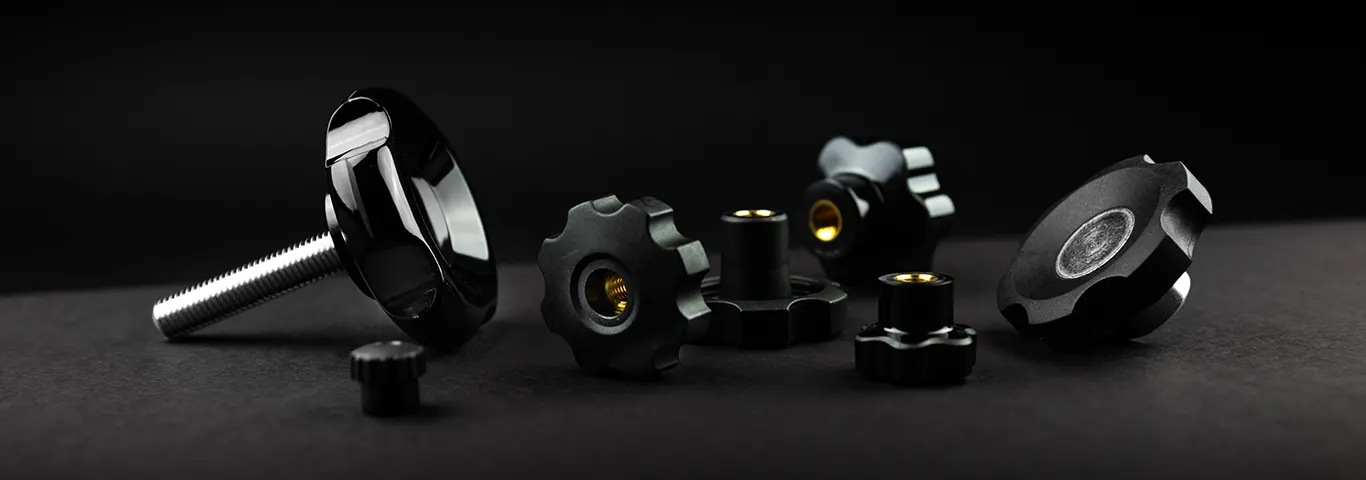
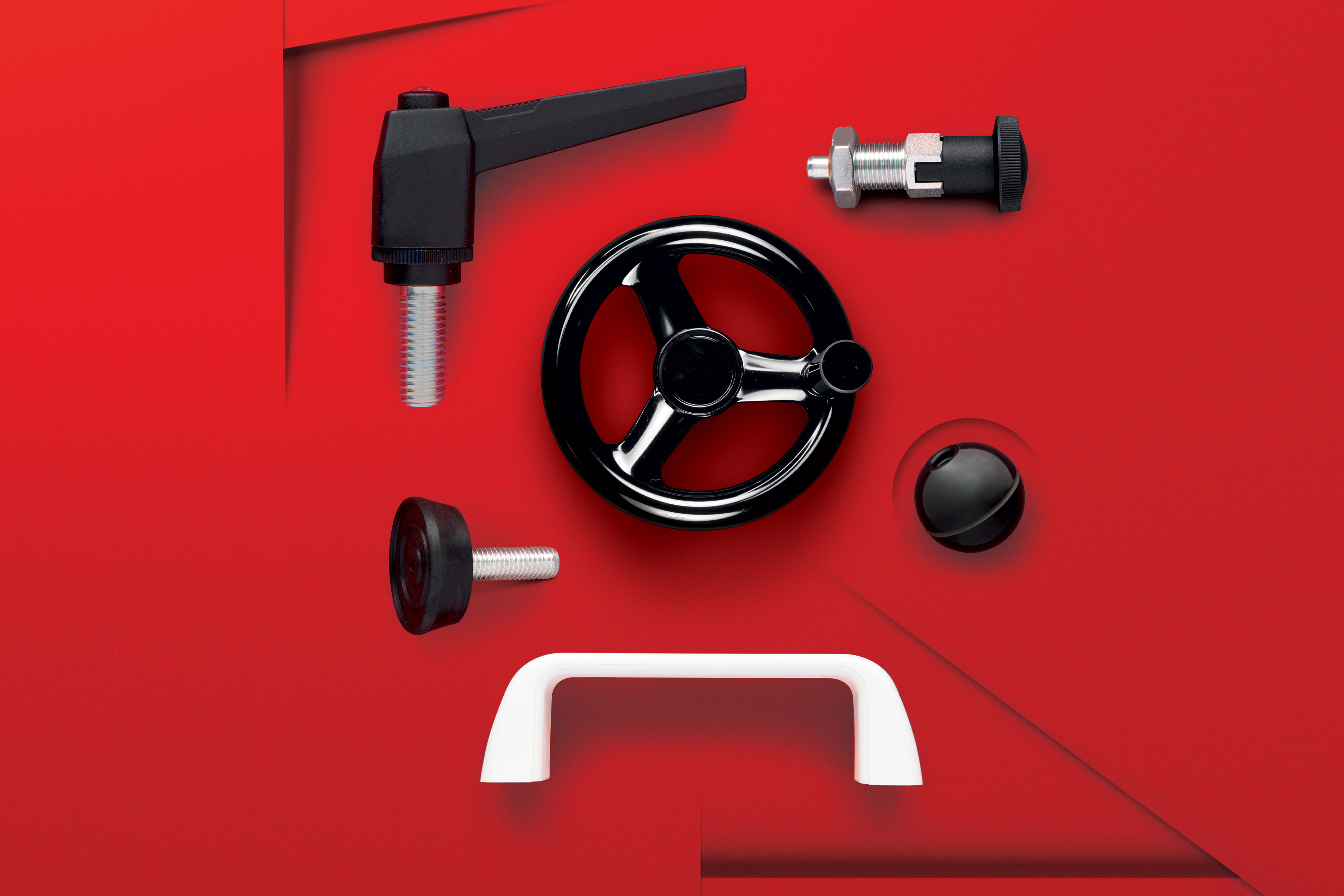
In most cases, a standard component is the most practical and cost-effective choice. Thanks to the wide range of products available today, it is possible to find industrial components in numerous sizes, materials, thread types, and configurations, capable of meeting the needs of machine designers and manufacturers.
Choosing a standard component offers several advantages:
- Short lead times
- Competitive costs
- Proven reliability through tested products
- Wide availability of sizes, materials, and thread options
- Consistent product availability and supply continuity.
A standard industrial component should therefore not be seen as a compromise, but rather as the most efficient solution for simplifying design, reducing production times, and controlling costs without sacrificing quality.
When a custom component becomes the best choice
There are applications, however, where even the most comprehensive standard product range cannot fully meet specific design requirements.
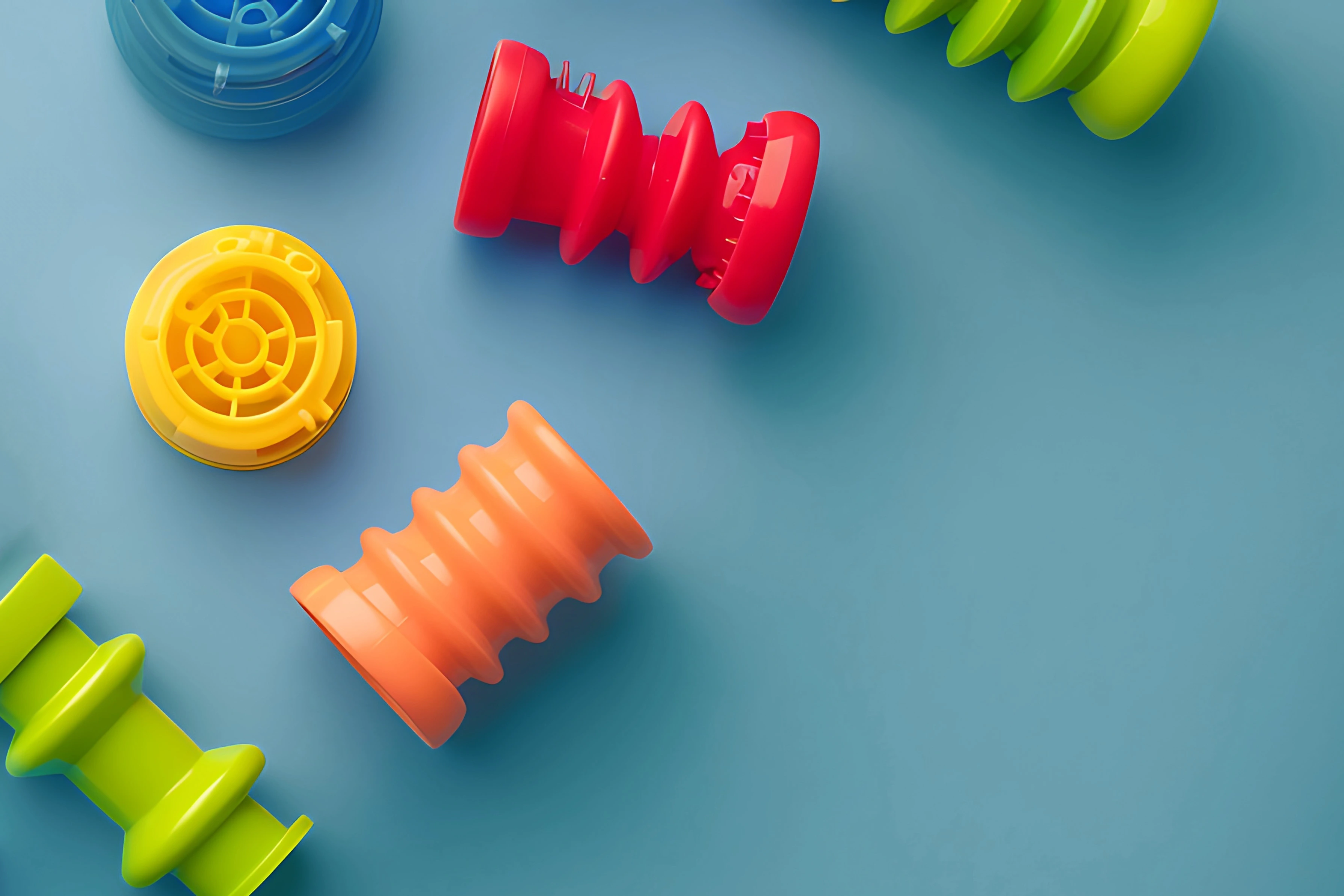
In these cases, developing custom industrial components makes it possible to create a solution that integrates perfectly with the final machine, improving functionality, ergonomics, and overall performance.
Customization may be required when the application calls for:
- non-standard dimensions;
- dedicated geometries;
- materials with specific properties;
- enhanced mechanical, chemical, or weather resistance;
- operation at high or low temperatures;
- food-contact compliance;
- corporate colors or specific aesthetic customizations.
Custom components are used across a wide range of industries, including hydraulics, the food industry, motors and generators, as well as in particularly demanding environments such as industrial furnaces, cold storage facilities, and applications exposed to harsh operating conditions.
Custom doesn’t always mean starting from scratch
When people think of customization, they often assume that a completely new component must be designed. In reality, there is an intermediate solution between a standard product and a fully custom design that, in many cases, proves to be the most advantageous option.
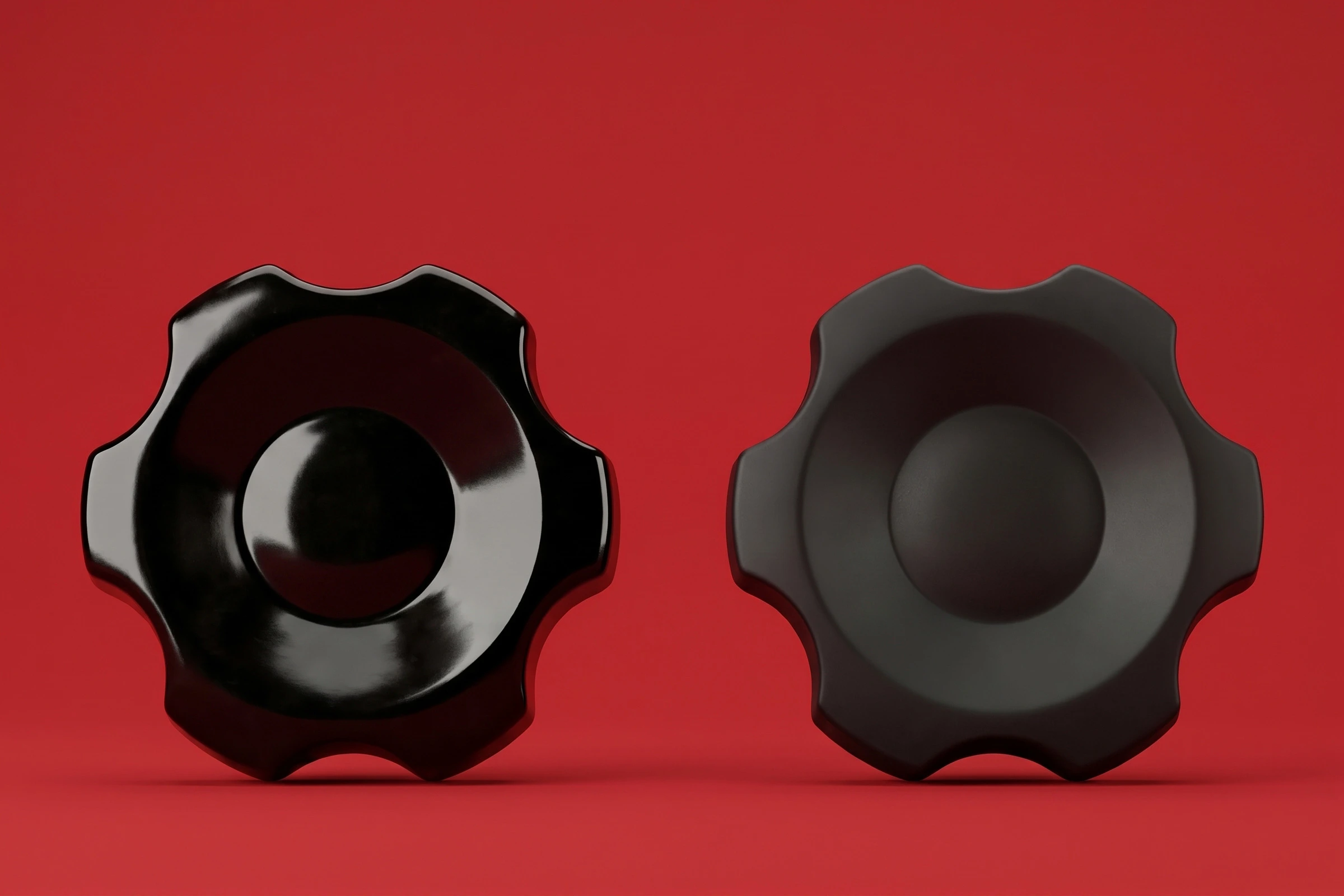
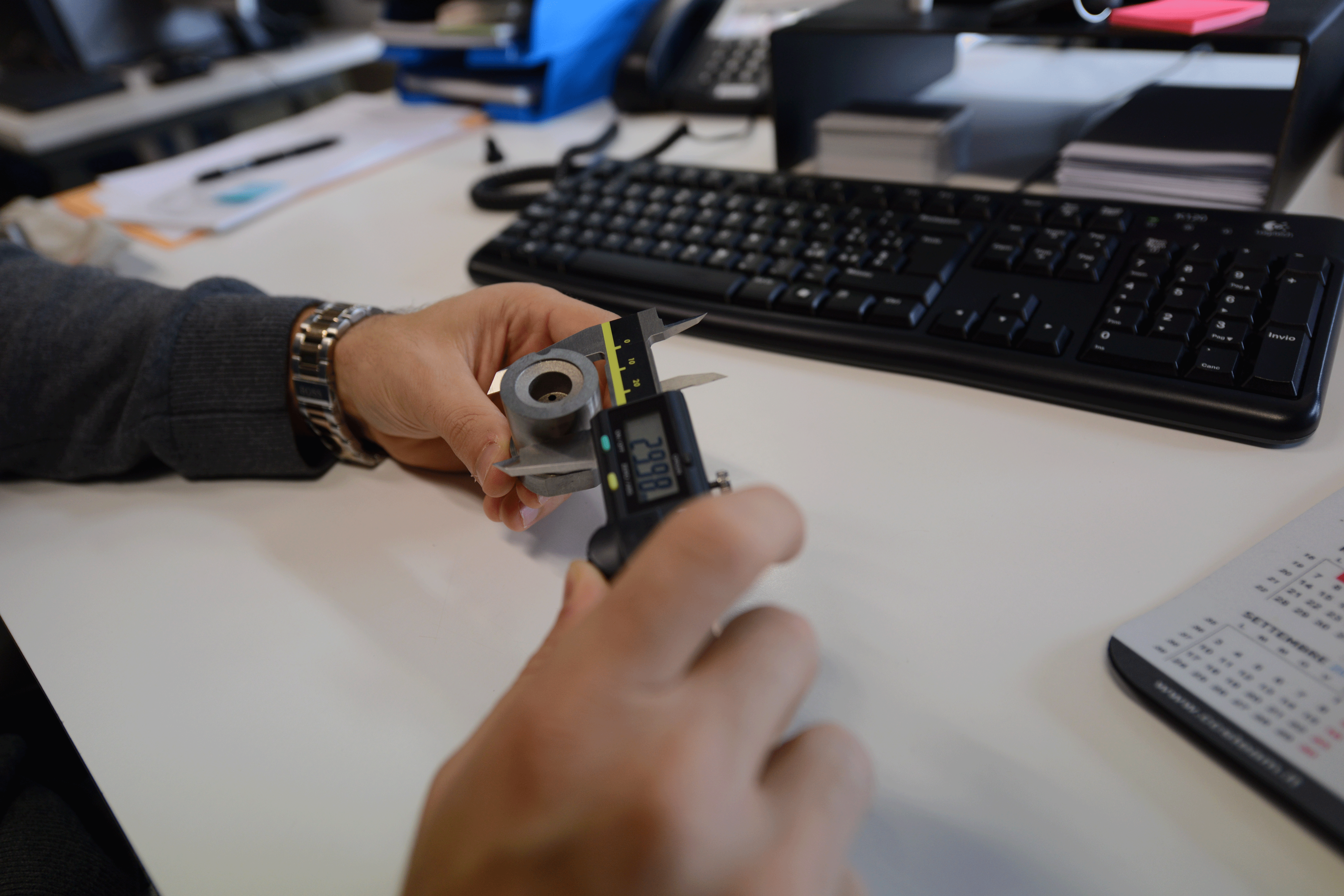
Very often, an existing catalog component can be adapted to meet specific application requirements through targeted modifications, avoiding the time and cost associated with developing an entirely new product.
Typical customizations include:
- dimensions;
- metal insert;
- thread type;
- material;
- color;
- surface finish;
- logo customization.
This approach makes it possible to obtain a component that perfectly meets the project’s requirements while retaining all the advantages of an already proven and validated design.
The best solution is the one that best fits the application, not the most complex one
Every project begins with a careful understanding of the customer’s actual application requirements. The goal is not simply to develop a custom component, but to identify the most effective technical solution for the intended use.
For this reason, the choice between a standard and a custom industrial component should always be based on a thorough analysis of the application, taking into account technical requirements, operating environment, performance expectations, development time, and cost considerations.
Our experience in the design and manufacturing of plastic components for industry, combined with our collaboration with qualified raw material suppliers, enables us to select the most suitable material and develop reliable, high-performance, and durable solutions, even for the most demanding applications.
At Gamm, we support designers and manufacturers throughout the entire development process, providing technical expertise, engineering know-how, and a comprehensive range of components to identify the most effective solution for every application.
Read other articles
Do you need more information?
Send us an email, we will be happy to answer all your requests.